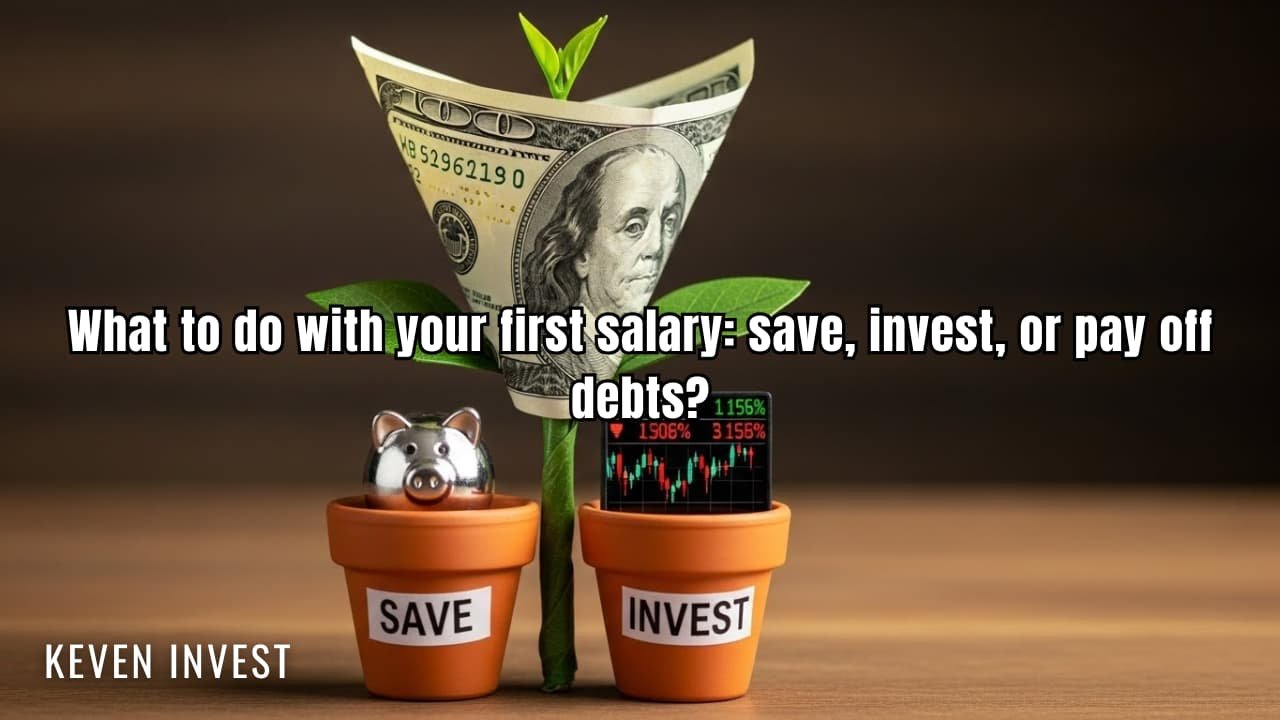
Receiving your first paycheck is a powerful milestone. It represents independence, effort, and the beginning of your financial journey. However, along with that excitement comes an important question that many people struggle to answer: what should you do with your first paycheck — save, invest, or pay off debt?
In the U.S. financial landscape, this decision matters even more. The cost of living is high, credit is easily accessible, and early financial choices can shape your future for years. For this reason, understanding how to handle your first paycheck wisely can make a meaningful difference in your long-term financial security.
This guide was created to help you make that decision with clarity, confidence, and financial awareness, using simple language and practical reasoning.
Why Your First Paycheck Is So Important Financially
Your first paycheck is not important only because of the amount you receive, but because of the habits it helps you build. At this stage, you begin shaping your long-term relationship with money.
Many people assume that financial discipline only matters when income increases. However, the truth is that those who learn to manage small amounts usually handle larger sums much better later. Therefore, understanding what to do with your first paycheck is a critical step toward building a strong financial foundation.
The Most Common Mistake: Spending Everything to Celebrate
It is completely natural to want to celebrate your first paycheck. After all, it symbolizes hard work and achievement. However, one of the most common mistakes — especially in the American consumer-driven culture — is spending the entire paycheck on immediate gratification.
Impulse purchases, expensive dinners, or unnecessary upgrades bring short-term pleasure. But they do not create financial stability. Celebrating is healthy, as long as it is done with balance.

Understanding Your Current Financial Situation
Before deciding whether to save, invest, or pay off debt, it is essential to understand where you stand financially.
Do You Have Any Debt?
In the United States, many people start their careers already carrying debt, often from:
-
Student loans
-
Credit cards
-
Auto loans
-
Personal loans
If this applies to you, ignoring debt can become a serious obstacle to future growth. That is why debt evaluation should be your first step.
Do You Have an Emergency Fund?
Most people receiving their first paycheck do not yet have an emergency fund. As a result, unexpected expenses — such as medical bills or job loss — often lead directly to debt.
For this reason, building an emergency fund should be considered before investing.
Paying Off Debt: When It Should Be Your Priority
For many individuals, the correct answer to what to do with your first paycheck starts with eliminating debt.
High-Interest Debt Can Destroy Progress
Credit card debt and high-interest loans are especially harmful. In the U.S., credit card interest rates often exceed 20% annually. Because of that, paying off this type of debt usually provides a better return than any investment.
Therefore, if you carry high-interest debt, paying it off should be your top priority.
The Emotional Benefits of Becoming Debt-Free
Beyond the numbers, eliminating debt creates emotional relief. People often experience less anxiety, greater clarity, and a stronger sense of control. As a result, saving and investing become easier and more sustainable.
When Paying Debt Immediately May Not Be Ideal
Not all debt is harmful. Some student loans, for example, have relatively low interest rates. In this case, it may be reasonable to balance minimum payments with saving.

Saving: The Foundation of Financial Stability
Saving money is not optional. It is essential.
Why an Emergency Fund Comes First
In the American economy, unexpected events can be financially devastating. Therefore, before investing, it is recommended to build an emergency fund equal to three to six months of essential expenses.
This fund acts as a financial safety net.
Saving Is a Habit, Not a Number
Many people believe they do not earn enough to save. However, saving is more about consistency than income level. Even small amounts, when saved regularly, build discipline.
Over time, discipline leads to wealth.
Automating Your Savings
One of the simplest strategies is automation. By transferring money to savings as soon as your paycheck arrives, you ensure that you pay yourself first.
Investing With Your First Paycheck: Is It Too Soon?
Investing often feels intimidating at the beginning. Still, starting early can be incredibly powerful.
Why Investing Early Matters
In the U.S. market, early investing benefits greatly from compound interest. The sooner you start, the more time your money has to grow.
As a result, time becomes your greatest financial advantage.
Why Investing Without Preparation Is Risky
Despite its benefits, investing without an emergency fund or while carrying high-interest debt can be dangerous. Markets fluctuate, emergencies happen, and debt grows. Therefore, investing should come after financial basics are in place.
Starting Small Is Still Starting
If you have a basic emergency fund and manageable debt, investing a small portion of your first paycheck is a smart move. More importantly, it builds confidence and knowledge.
How to Divide Your First Paycheck Wisely
In many situations, the best strategy is balance.
A Practical and Balanced Approach
A smart division might include:
-
A portion to pay off debt
-
A portion to save
-
A portion to invest
-
A small portion for enjoyment
This approach supports responsibility while still allowing motivation.
Adjust Based on Your Reality
There is no universal formula. Financial education is about personalization. Therefore, your plan should reflect your income, goals, and responsibilities.
The Long-Term Impact of Early Financial Choices
Early decisions create long-term patterns. People who start saving early usually keep saving. Those who invest early benefit from compounding. Meanwhile, ignoring debt often leads to prolonged stress.
Small Actions Create Big Results
Consistent actions — even small ones — accumulate over time. Eventually, they lead to stability, wealth, and freedom.
Financial Education Is the Real Advantage
Schools rarely teach personal finance. Because of this, self-education becomes essential.
Knowledge Reduces Costly Mistakes
The more you understand money, the fewer emotional decisions you make. As a result, you avoid common financial traps.
Starting Early Changes Everything
Learning from your first paycheck sets a powerful foundation. The earlier you start, the easier everything becomes later.
The Emotional Side of Your First Paycheck
Money is emotional. Pride, excitement, and anxiety often appear together. Recognizing this emotional aspect helps you make better decisions.
Celebrate With Awareness
Celebrating your first paycheck is healthy. However, moderation matters. Enjoy the moment without sacrificing your future.
Common Mistakes to Avoid
Avoiding mistakes is just as important as making good decisions.
Ignoring Debt
Letting debt grow unchecked is one of the most expensive errors in personal finance.
Saving Nothing
Waiting to save “later” often means never starting.
Investing Without Understanding
Investing without knowledge usually leads to frustration and losses.
Building a Strong Financial Foundation From the Start
Your first paycheck does not determine your wealth, but it determines your direction. Good habits formed early simplify everything later.
Consistency Beats Perfection
You do not need to get everything right immediately. What matters is starting, learning, and continuing.
Conclusion: The Best Decision Is a Conscious One
Ultimately, the answer to what to do with your first paycheck: save, invest, or pay off debt depends on your situation. However, every good decision begins with financial awareness.
In the American financial environment, those who start early — even with little — gain a long-term advantage.
Remember:
your first paycheck may be small, but the decisions you make with it can be life-changing.