A new study brings a figure that is both impressive and uncomfortable at the same time: ending most extreme poverty in the world is financially possible. Even more than that, it would not be expensive for rich countries.
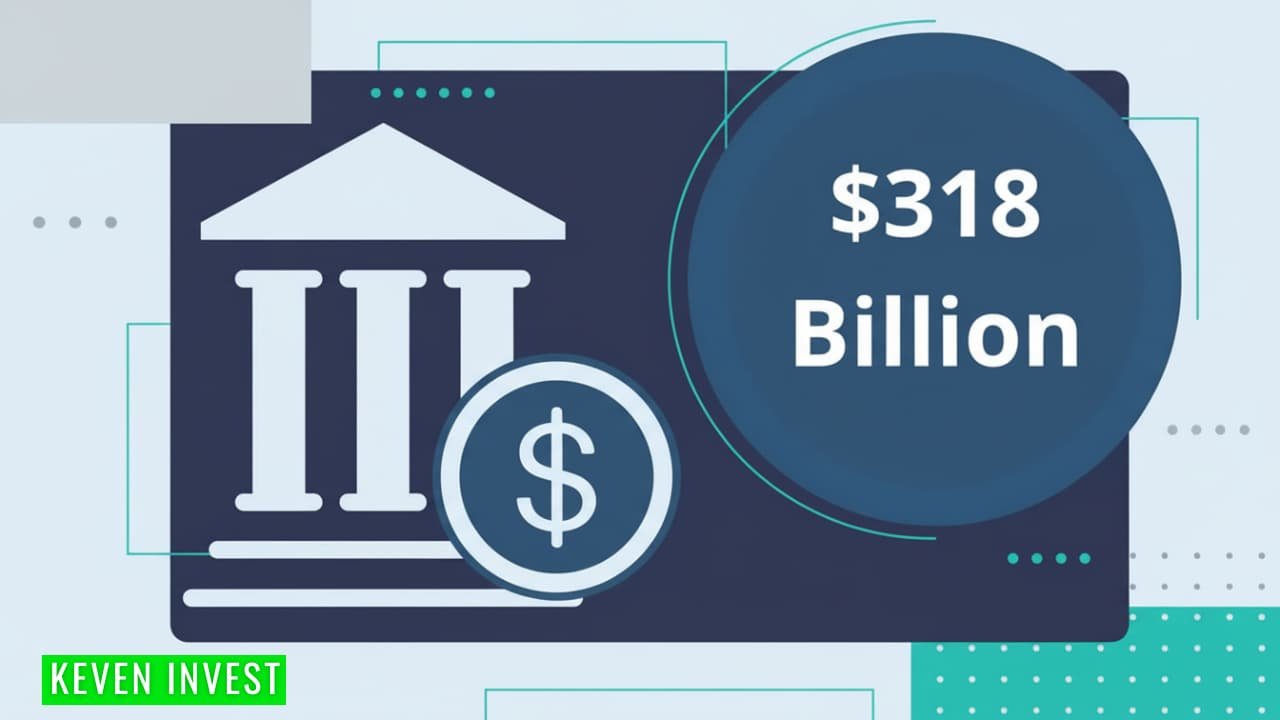
According to the research, it would take around $318 billion per year to ensure that nearly everyone on the planet has at least $2.15 a day to live on. This amount defines what is known as the global extreme poverty line.
At first glance, $318 billion sounds like an enormous number. But when we put this figure into context, the conclusion changes completely.
The cost of poverty versus the size of the global economy
The researchers calculated that this amount represents only 0.3% of global economic output. In other words, less than half of one percent of everything the world produces in a year.
For comparison:
-
The world spends about 2.2% of global GDP on alcoholic beverages
-
Major technology companies plan to invest a similar amount just in artificial intelligence and data centers in a single year
This comparison makes one thing clear: the problem is not a lack of money, but rather political and economic priorities.
A targeted solution works better
The study analyzed a strategy known as a targeted approach. Instead of distributing income to everyone, as in universal basic income, the idea is to identify people living below the extreme poverty line and provide them with enough financial support to cross that threshold.
The results are striking:
-
Extreme poverty would fall from 12% to just 1% of the global population
-
The cost would be only 19% of what a universal basic income would require
In other words, this is a more efficient, cheaper, and faster way to address the problem.
So why does poverty still exist?
This is where the analysis becomes uncomfortable.
If rich countries, including the United States, can afford it but do not act, the issue stops being economic and becomes political, moral, and strategic.
Extreme poverty persists not because the world is incapable of solving it, but because:
-
It does not generate immediate financial returns
-
It is not an electoral priority in wealthy nations
-
It mainly affects populations with little global political power
In simple terms, this is not a question of feasibility, but of willingness.
A simple but necessary reflection
The study makes it clear that ending extreme poverty would not require dramatic sacrifices from rich economies. It would not trigger fiscal collapse or a global economic crisis.
It would simply require reallocating resources that are already being spent on less essential priorities.
This leads to a straightforward conclusion:
👉 Extreme poverty today is a collective choice, not an economic inevitability.
While the world debates innovation, artificial intelligence, and space exploration, millions of people are still struggling to survive on less than three dollars a day — even though we know that solving this problem is within reach.
And perhaps that is the hardest truth to accept.