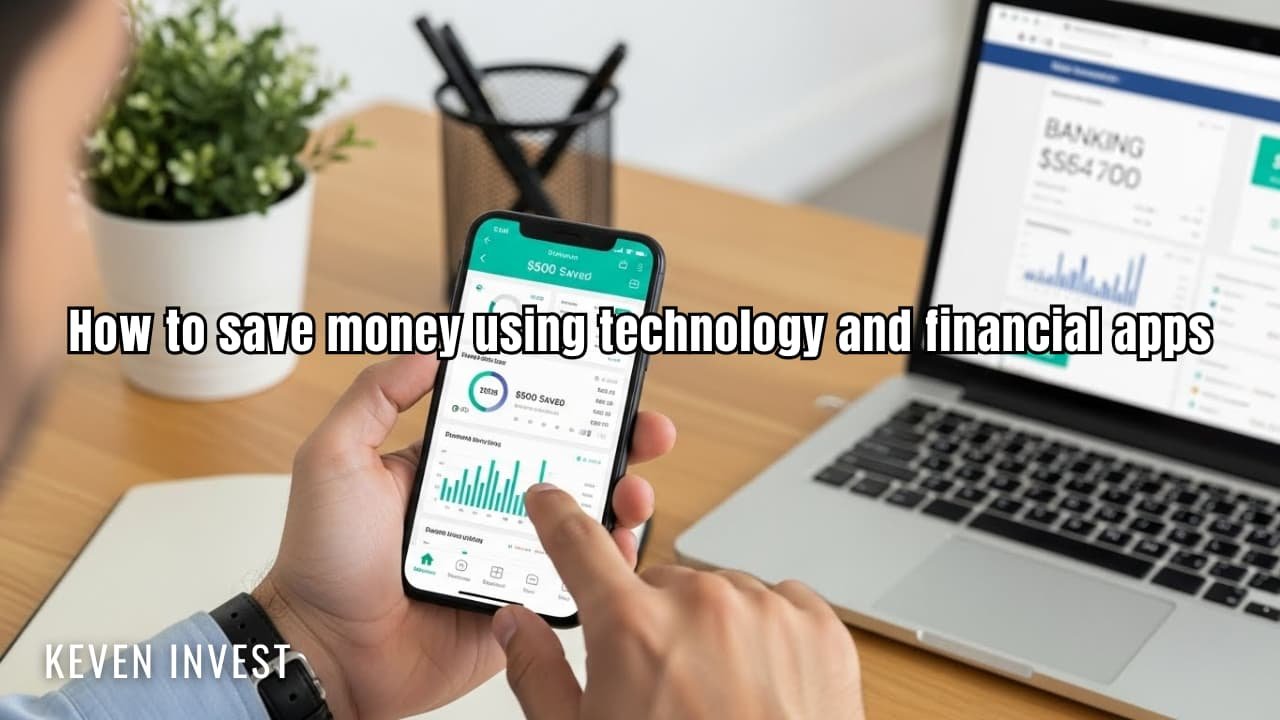
Saving money has always been a challenge. However, in the current U.S. economic landscape, marked by inflation, rising living costs, and easy access to credit, this challenge has become even greater. At the same time, we have never had so many tools available to help with this mission.
Today, technology and financial apps allow anyone — even without advanced financial knowledge — to save money, organize expenses, set goals, and make smarter decisions. For this reason, understanding how to save money using technology and financial apps can be the difference between living paycheck to paycheck and building a more secure and balanced financial life.
This article was created to show you, in a simple, educational, and deeply human way, how to use technology in your favor to transform your relationship with money.
Why Saving Money Has Become More Difficult in the United States
Before discussing technology, it is important to understand the context.
Rising Cost of Living and Its Impact
In recent years, expenses such as housing, food, healthcare, and transportation have increased significantly. As a result, many people feel that their income no longer keeps up with their bills.
In addition, the American lifestyle strongly encourages constant consumption, which makes developing the habit of saving much harder.
Easy Credit as a Silent Trap
Credit cards, financing options, and “buy now, pay later” services offer immediate comfort. However, when used without planning, they quickly become enemies of personal savings.
This is exactly where financial technology begins to make a real difference.
Technology as an Ally in Personal Savings
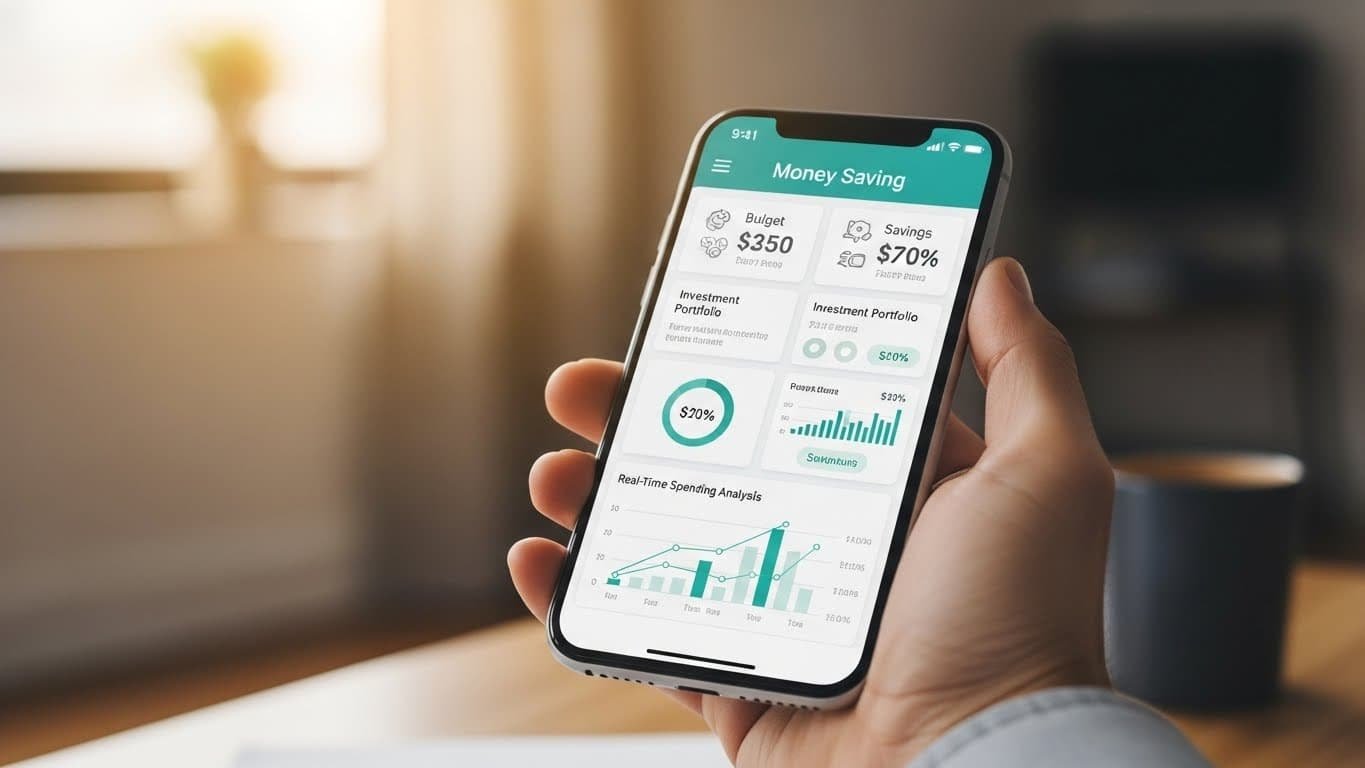
For a long time, saving money required complex spreadsheets and extreme discipline. Today, financial apps make this process simpler, more automatic, and more accessible.
What Are Financial Apps and Why Do They Work?
Financial apps are digital tools designed to help you:
-
Track expenses
-
Organize budgets
-
Automate savings
-
Monitor subscriptions
-
Plan financial goals
They work because they combine real-time data, automation, and financial awareness.
The Biggest Advantage: Full Visibility of Your Money
Many people fail to save because they do not know exactly where their money is going. With financial apps, this information becomes clear.
And clarity creates control.
How to Save Money Using Expense-Tracking Apps
The first step to saving money is understanding your spending habits.
Personal Budgeting Apps
These apps connect to your bank accounts and credit cards, automatically categorizing expenses.
This allows you to identify patterns such as:
-
Excessive spending on dining out
-
Forgotten subscriptions
-
Impulse purchases
As a result, small adjustments can generate significant savings over time.
The Psychological Impact of Tracking Expenses Daily
When you see your spending in real time, your behavior naturally changes. Because your brain begins to associate spending with consequences.
This simple habit alone reduces waste and improves awareness.
Automation: Saving Money Without Constant Effort
One of the greatest advantages of technology is automation.
Apps That Save Money for You
Some apps automatically transfer small amounts of money to savings or investments every time you spend.
These amounts feel insignificant day to day, but, over the course of a year, they can grow into a meaningful sum.
Why Automation Works So Well
Automation removes emotional decision-making. You do not need to actively choose to save — it happens automatically.
And consistency is far more powerful than willpower.
Using Technology to Reduce Fixed Expenses
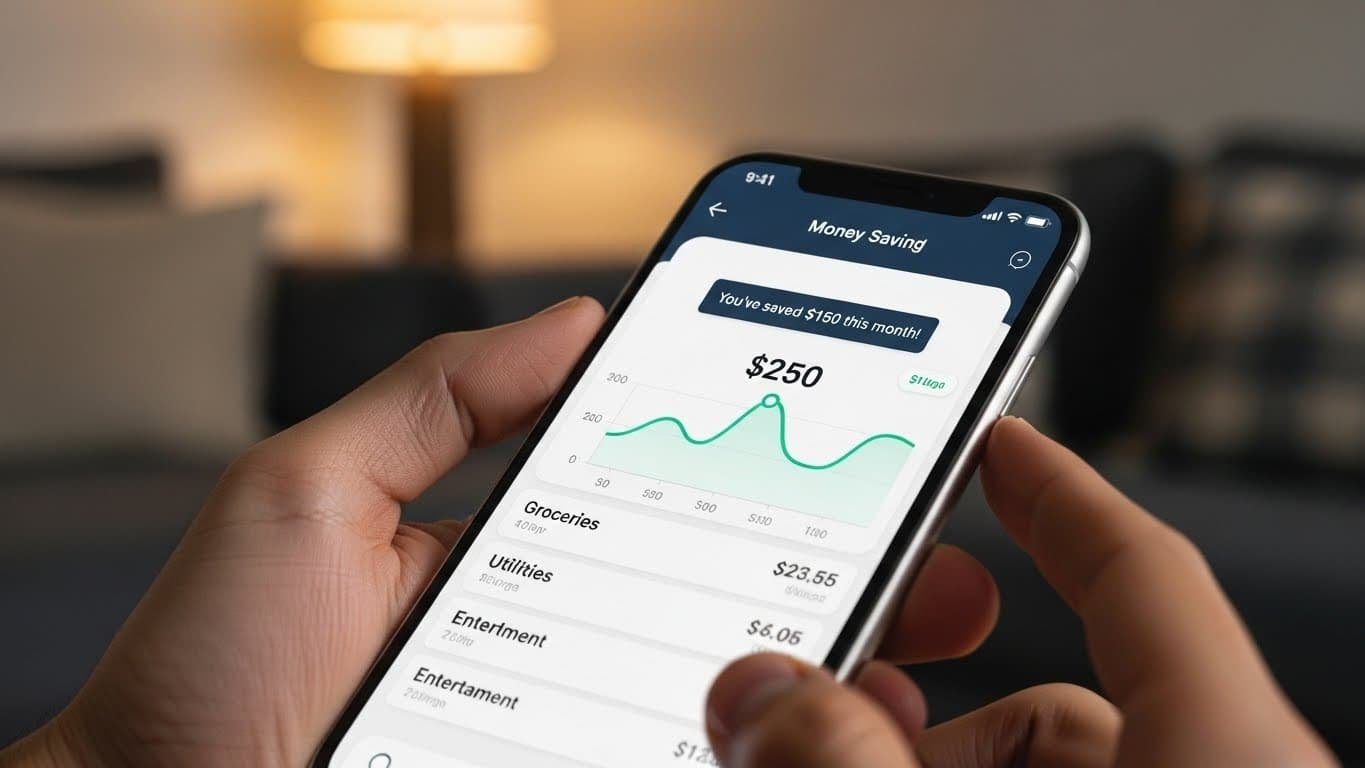
Saving money is not just about setting money aside. It is also about paying less for what you already consume.
Apps That Negotiate Bills Automatically
Some tools analyze your recurring bills, such as:
-
Internet
-
Cable TV
-
Mobile phone plans
-
Subscription services
They negotiate better rates or help cancel unnecessary services. As a result, you save money without extra effort.
Monitoring Forgotten Subscriptions
Many people pay for services they no longer use. With financial apps, these subscriptions become visible and easy to cancel.
Small monthly savings can turn into significant annual results.
How Technology Helps You Avoid Debt
Avoiding debt is just as important as saving money.
Smart Alerts and Notifications
Financial apps send alerts when you are approaching credit limits or when a bill is about to be due.
This helps you avoid interest charges, late fees, and unnecessary stress.
Payment Planning and Reminders
Automatic reminders ensure bills are paid on time, helping you maintain a healthy credit score — a crucial factor in the U.S. financial system.
Financial Education in the Palm of Your Hand
In addition to tracking money, many apps also teach financial concepts.
Built-In Educational Content
Some apps offer:
-
Personalized tips
-
Financial simulations
-
Guided savings goals
-
Simple explanations of financial concepts
This turns saving money into a continuous learning experience.
Learning While You Save
When you understand the impact of your choices, saving money becomes intentional rather than painful.
How to Save Money Using Technology in Everyday Life
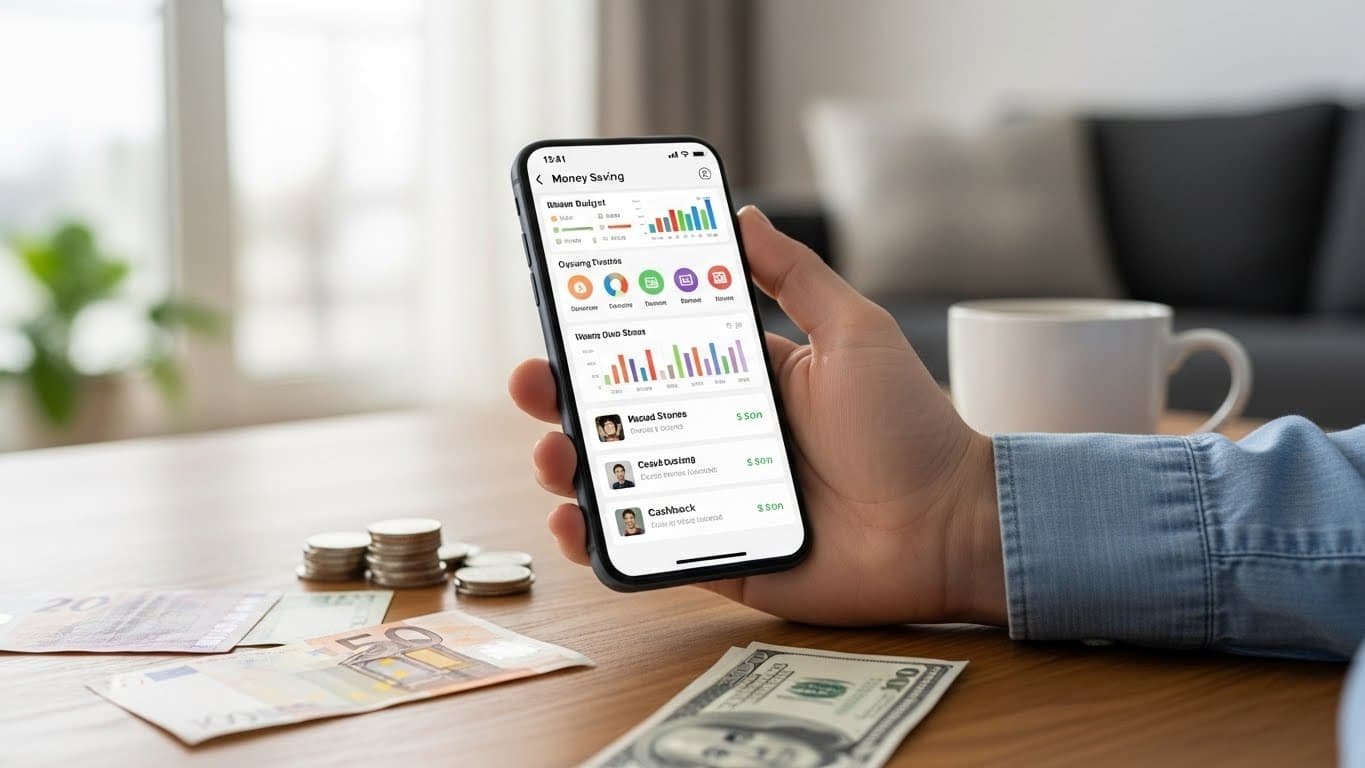
Technology is not limited to big financial decisions — it also helps with daily spending.
Price Comparison and Cashback Apps
Apps that compare prices and offer cashback help reduce costs on everyday purchases.
Even small discounts, when repeated, add up over time.
Coupon and Rewards Apps
Digital coupons, rewards, and points programs turn planned spending into real savings.
The Relationship Between Technology, Habits, and Financial Behavior
Technology alone does not create miracles. However, when combined with healthy habits, it drives real transformation.
Real-Time Financial Awareness
Seeing numbers daily creates accountability.
You begin to think before spending because you understand the future impact.
Gradual and Sustainable Change
Saving money with technology does not require radical changes. Instead, small and consistent improvements lead to lasting results.
Security and Privacy: A Critical Consideration
When using financial technology, security must always come first.
How to Choose Trustworthy Financial Apps
Prioritize apps that:
-
Use encryption
-
Are regulated
-
Have strong user reviews
-
Are transparent about data use
Security builds trust, and trust supports consistency.
Protecting Your Financial Data
Using strong passwords, two-factor authentication, and regular updates is essential.

Common Mistakes When Using Financial Apps
Even with technology, mistakes can happen.
Relying on Apps Without Awareness
Apps are tools, not magic solutions. Therefore, you must remain engaged and conscious of your decisions.
Failing to Review Data Regularly
Reviewing reports ensures you stay aligned with your financial goals.
Integrating Technology Into a Bigger Financial Plan
Apps work best when they are part of a broader strategy.
Setting Clear Financial Goals
Saving money without a goal is difficult. Technology helps visualize progress and maintain motivation.
Adjusting Over Time
Life changes, and your financial plan should evolve as well. Apps make adjustments simple and fast.
The Emotional Impact of Saving Money With Technology
When you see progress, motivation increases.
Less Anxiety, More Control
Knowing your finances are organized reduces stress and improves quality of life.
A Sense of Continuous Progress
Even during difficult months, small wins keep you moving forward.
Real-World Examples in the American Context
In the United States, financial technology is widely used.
Young Professionals and Financial Control
Many young professionals use apps from their first paycheck to avoid common financial mistakes.
Families and Shared Financial Planning
Apps allow families to track budgets together, increasing transparency and alignment.
The Future of Personal Finance With Technology
The trend is clear: more automation, more personalization, and more financial education.
Artificial Intelligence and Personal Finance
Apps are becoming smarter, offering customized recommendations based on behavior.
Making Financial Management Accessible to Everyone
Technology democratizes access to financial organization tools.
Conclusion: Technology Does Not Replace Decisions, but It Amplifies Results
Learning how to save money using technology and financial apps completely changes how you manage money.
In the American economic environment, where consumption is encouraged, using technology intentionally creates a real advantage.
Remember:
technology does not save money for you — it helps you make better decisions.
When combined with intention, discipline, and financial education, technology becomes one of the most powerful tools for building security, peace of mind, and financial freedom.