Bitcoin is often described as a digital revolution, but in practice, it is much more than that. Bitcoin represents a new way of understanding money, value, and financial independence, especially within the American economic landscape. Although it may seem complex at first, learning what Bitcoin is and how it works step by step is entirely possible when the explanation is clear, practical, and accessible.
Over the years, millions of Americans have heard about Bitcoin through news headlines, social media, and conversations about investing. However, many people still struggle to understand how Bitcoin actually works in real life. Because of that, this complete guide was created to explain Bitcoin in a simple, educational, and deeply practical way.
Throughout this article, you will understand what Bitcoin is, why it was created, how blockchain technology works, how to buy and store Bitcoin, and how Bitcoin fits into the current U.S. financial system. Most importantly, you will see how Bitcoin can be used responsibly and intelligently.
What Is Bitcoin in Simple Terms
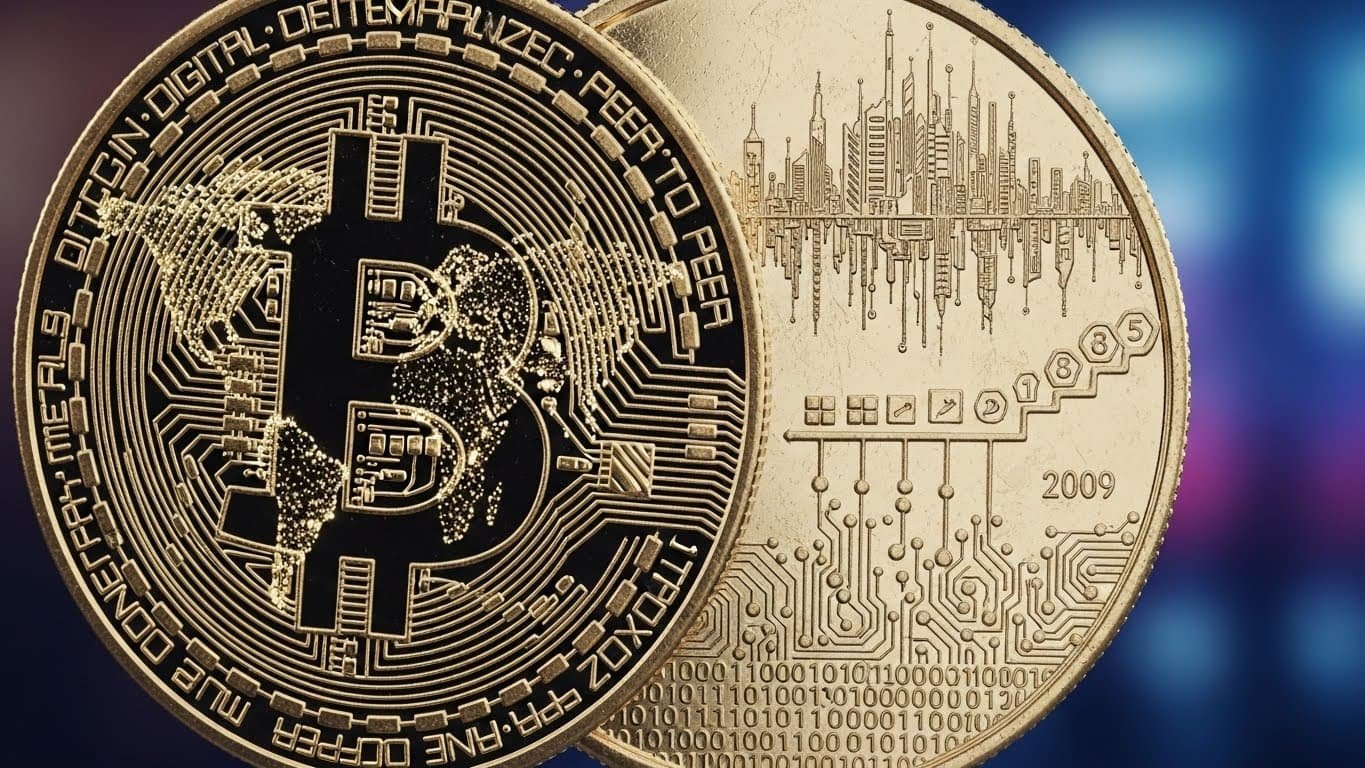
Bitcoin is a decentralized digital currency that allows people to send and receive money directly, without relying on banks or financial intermediaries. In other words, Bitcoin works as peer-to-peer electronic money, operating independently from governments and central banks.
Unlike the U.S. dollar, Bitcoin is not printed or controlled by any authority. Instead, it is governed by mathematical rules, cryptography, and a global network of computers. Because of this structure, Bitcoin is considered transparent, secure, and resistant to censorship.
Another essential characteristic of Bitcoin is its limited supply. Only 21 million bitcoins will ever exist. This fixed limit creates scarcity, which plays a significant role in Bitcoin’s value over time.
Why Bitcoin Was Created
Bitcoin was created in 2008, during the global financial crisis. At that time, banks collapsed, governments printed massive amounts of money, and millions of people lost trust in traditional financial institutions.
The creator of Bitcoin, known as Satoshi Nakamoto, designed Bitcoin to solve a critical problem: the need for trust in intermediaries. Instead of trusting banks, Bitcoin allows people to trust code, mathematics, and decentralized consensus.
Therefore, Bitcoin was built on the principles of financial freedom, individual sovereignty, and monetary transparency. These principles remain central to Bitcoin’s purpose today.
How Bitcoin Works in Practice
In practice, Bitcoin operates through a technology called blockchain. The blockchain is a public digital ledger that records every Bitcoin transaction ever made.
When someone sends Bitcoin, the transaction is broadcast to a global network of computers called nodes. These nodes verify whether the transaction is valid. Once verified, the transaction is grouped with others into a block.
Then, this block is added to the blockchain, creating a permanent and immutable record. As a result, Bitcoin transactions become extremely difficult to alter or reverse.

What Is Blockchain and Why It Matters
The blockchain is the backbone of Bitcoin. It functions as a distributed database where every participant can verify transactions independently.
Each block contains encrypted information from the previous block. Because of this structure, altering one block would require changing the entire chain, which is practically impossible.
As a result, blockchain technology removes the need for centralized trust. Instead of trusting institutions, users trust decentralized verification and cryptographic security.
The Role of Bitcoin Mining
Bitcoin mining is the process that secures the network and confirms transactions. Miners use powerful computers to solve complex mathematical problems.
When a miner successfully solves a problem, a new block is added to the blockchain. In return, the miner receives a Bitcoin reward. However, this reward is reduced every four years in an event called the Bitcoin halving.
This controlled issuance ensures scarcity and prevents inflation, reinforcing Bitcoin’s long-term value proposition.
Bitcoin Wallets Explained
To use Bitcoin, you need a Bitcoin wallet. A wallet does not store Bitcoin itself but rather the private keys that give access to your funds.
There are several types of wallets, including mobile wallets, desktop wallets, hardware wallets, and custodial wallets. Each option offers different levels of security and convenience.
For long-term storage, hardware wallets are considered the safest. For daily use, mobile wallets provide flexibility and ease of access.

How to Buy Bitcoin Step by Step in the U.S.
Buying Bitcoin in the United States is straightforward. First, you choose a regulated exchange such as Coinbase, Kraken, or Gemini.
After creating an account and verifying your identity, you can link a bank account or debit card. Then, you purchase Bitcoin using U.S. dollars.
Once purchased, it is highly recommended to transfer your Bitcoin to a personal wallet. This step increases security and ensures full ownership.
Bitcoin as an Investment in the American Market
In the U.S., Bitcoin has evolved into a recognized investment asset. Institutional investors, hedge funds, and publicly traded companies now hold Bitcoin on their balance sheets.
Many investors see Bitcoin as a hedge against inflation and monetary expansion. While price volatility exists, long-term data shows strong growth trends.
However, investing in Bitcoin requires education, patience, and risk management. Responsible investing always starts with understanding.
Risks and Security Considerations
Bitcoin offers many advantages, but it also comes with risks. Price volatility can lead to significant short-term losses. Additionally, transactions are irreversible.
Because of that, security is essential. Users should enable two-factor authentication, back up private keys, and avoid leaving funds on exchanges.
Knowledge and caution are critical components of safe Bitcoin usage.
Bitcoin Regulation in the United States
The U.S. government treats Bitcoin as property for tax purposes. This means capital gains taxes may apply when selling or spending Bitcoin.
Regulatory clarity has improved over time, providing more confidence for investors and businesses. However, users should always stay informed about current regulations.
Real-World Use Cases of Bitcoin
Bitcoin is not just an investment. It is also used for international transfers, online payments, and financial inclusion.
In many cases, Bitcoin allows faster and cheaper transactions compared to traditional banking systems. As adoption grows, use cases continue to expand.
The Future of Bitcoin
The future of Bitcoin remains promising. Increasing adoption, technological improvements, and institutional interest suggest long-term relevance.
As financial systems become more digital, Bitcoin stands as a decentralized alternative rooted in transparency and scarcity.
Understanding Bitcoin today means being prepared for the financial systems of tomorrow.
Final Conclusion
Bitcoin may seem complex at first, but when broken down step by step, it becomes understandable and practical. With education, responsibility, and patience, anyone can learn how Bitcoin works.
Bitcoin is not just a currency. It is a financial innovation that empowers individuals and challenges traditional systems.
Learning about Bitcoin today is an investment in knowledge that can shape your financial future.